
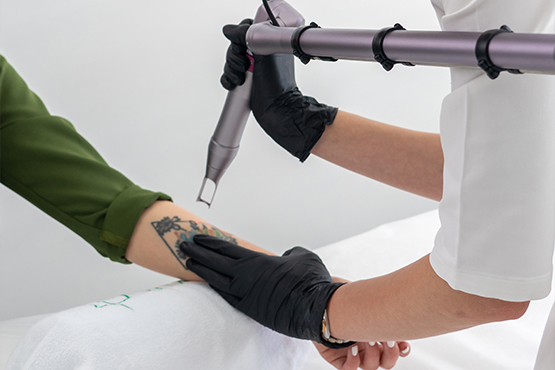
Many people reach a point where a tattoo no longer fits their life. The art might be tied to a past partner, a hard time, or a style that feels wrong now. In the past, tattoo removal was slow and often very uncomfortable, so many people simply lived with ink they did not like. Pico laser tattoo removal has made change feel more possible. It uses very fast light pulses that focus on the ink while trying to protect the skin. In this article, you will see how the pico laser works, why it can feel easier than older methods, and what happens before and after each visit.
Why Some People Choose To Remove Tattoos
Tattoos are meant to stay, but life does not stand still. A design that once felt “perfect” can start to feel out of place. Some people worry that a visible tattoo might affect work or family life. Others just feel tired of the same image on their skin every day.
For many years, people had two main choices: keep the tattoo or try removal methods that were slow and rough on the skin. Old lasers often needed many visits and could leave the skin red, sore, and uneven. This is where the pico laser makes a difference. It gives people a way to fade or remove ink with more control. The goal is not only to clear ink, but also to respect the skin. When people understand how the process works, the choice to start feels less scary and more like a normal health decision.
How Pico Laser Targets Tattoo Ink Particles
Pico laser gets its name from the length of each light pulse. A picosecond is one trillionth of a second. Older tattoo lasers often use nanosecond pulses, which are a thousand times longer. This tiny time change makes a big difference in how the ink reacts.
Here is what happens during treatment:
- The device sends short bursts of light into the skin.
- The light passes through the top layer and hits the tattoo ink.
- The ink absorbs the energy and breaks into very small pieces.
Because the pulse is so short, much of the energy turns into a “pressure” effect rather than heat. Think of it like a quick tap instead of a long push. This pressure breaks the ink into tiny bits that your body can clear more easily over time. Different settings can be used for dark colors like black and blue, and for trickier shades like green and red. The aim is to focus on the ink, while leaving the skin around it as calm as possible.
Reasons Pico Laser Sessions Often Feel Less Pain
People often fear tattoo removal because they expect severe pain. Pico laser aims to make the feeling easier to handle. Since the pulses are very short, the skin has less time to heat up. Less heat usually means less burning or deeper aching during the session.
Most people describe the feeling as quick, sharp snaps on the skin. It is not pleasant, but it is usually brief.
Clinics often use extra comfort steps, such as:
- Cool air is blowing over the area
- A chilled gel on the skin
- Numbing cream for larger or sensitive tattoos
Sessions with pico lasers are often shorter than with older lasers because the ink breaks faster. A shorter session means less time under stress. Your provider can also pause and give short breaks if you need them. When you walk in knowing what to expect, the worry level drops, and the whole visit feels more manageable.
What Your Body Does After Each Pico Session
The real “clean-up” starts after you leave the clinic. Once the pico laser breaks the ink into tiny bits, your immune system begins to work. Special white blood cells move through the area and pick up the small ink pieces. They carry the ink into the lymph system, which slowly clears it from your body. This is why results keep improving in the weeks after each session. The change is not instant.
You may notice:
- Redness or mild swelling for a day or two
- A light white “frosting” right after treatment
- Small scabs or blisters in some spots
To protect your skin and help the ink clear smoothly, you should:
- Keep the area clean and dry at first
- Avoid scratching, rubbing, or picking at the skin
- Use only the creams suggested by your provider
- Keep the area out of the strong sun until it heals
Good care reduces the chance of marks and helps your skin stay even as the ink fades.
How Pico Laser Compares With Older Tattoo Lasers
Older Q-switched lasers have helped many people, but they do have limits. Their longer pulses create more heat in the skin. While they still break ink, the larger ink pieces can take more time for the body to remove. This often means more sessions and more irritation after each visit.
Pico laser changes several key points:
- Pulse speed: Picosecond pulses are much shorter than nanosecond pulses.
- Effect on ink: More of the energy turns into pressure waves that crush ink into finer dust-like pieces.
- Effect on skin: Less heat spreads into tissue, which can lower swelling and risk of texture changes.
- Color range: Pico systems often handle tricky colors, like green and blue, better than many older devices.
No method can promise perfect removal in every case. But many people and clinics report that pico systems bring faster fading and a smoother skin feel compared with older laser types, especially for dark and multi-color tattoos.
Who Can Safely Get Pico Laser Tattoo Removal
Most adults with unwanted tattoos can be checked for pico laser removal. A proper consultation is very important.
The doctor or nurse will look at:
- Your skin tone
- Tattoo size and location
- Ink colors and how old the tattoo is
- Your health and any medicines you take
Dark ink on light skin usually fades fastest. Darker skin can still do well, but the settings must be chosen with care to protect natural skin color. Very new tattoos with dense ink may need more sessions. Older tattoos, where ink has already broken down a little with time, may clear more quickly.
You should always tell your provider if you:
- Have had keloid scars in the past
- Are pregnant or breastfeeding
- Take blood thinners or medicines that slow healing
This honest talk helps build a safe plan with realistic goals, rather than big promises that cannot be kept.
Simple Steps To Prepare And Care For Skin
Preparing well makes each session smoother and helps your skin heal. A few easy habits can make a big difference:
Before treatment:
- Keep the tattoo out of the strong sun for at least two weeks.
- Avoid tanning beds and self-tanning on the area.
- Do not use harsh scrubs, peels, or strong acid creams.
- On the day, wash the area gently and keep it free of lotion or makeup.
- Wear loose clothes that will not rub the tattoo.
After treatment:
- Follow the aftercare plan your provider gives you.
- Use cool packs if the area feels hot or sore.
- Skip pools, hot tubs, and heavy workouts until the skin closes.
- Keep the area covered or use strong sunscreen when you go outside.
These simple steps support healing and help your skin stay as smooth and healthy as possible while the ink fades over time.
Conclusion
Pico laser tattoo removal offers a clear way to fade unwanted ink while paying close attention to skin comfort and safety. Very short light pulses break ink into tiny pieces that the body can clear between visits, often with less heat and soreness than older methods. Good planning, steady aftercare, and honest goals are the keys to a steady result. If you are thinking about removing a tattoo, The Doctor’s Office offers laser tattoo removal services and can explain how pico treatment may work for your skin and your tattoo.